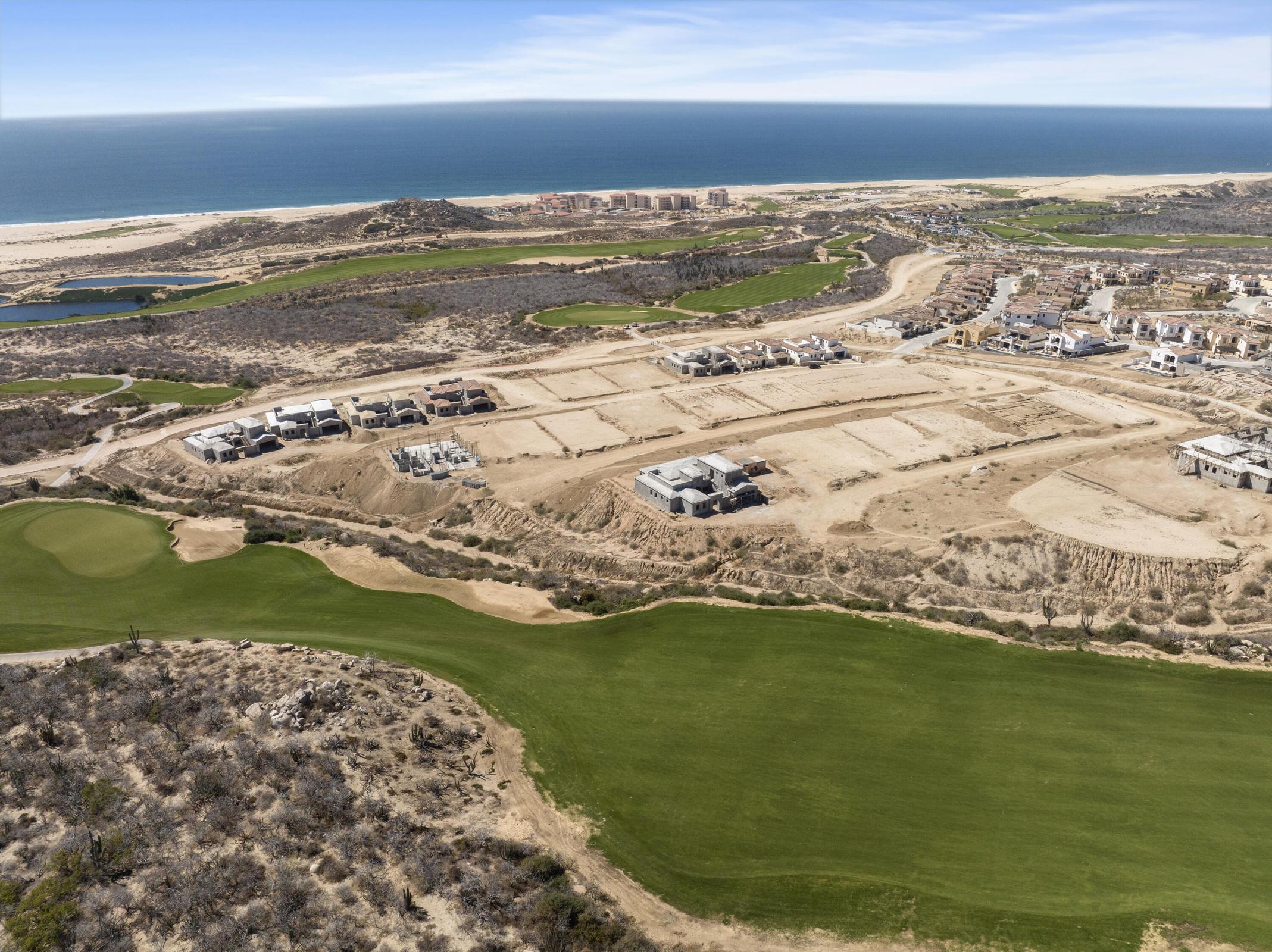
The purchase price is not the number you need. Closing costs in Mexico are higher than most North American buyers expect and they fall almost entirely on the buyer, which is the opposite of what many are used to. Budget properly and there are no surprises.
The rough number
As a planning figure, expect total closing costs of roughly 4 to 7 percent of the purchase price on a Rancho San Lucas transaction. Lower-priced properties sit at the higher end of that range because several fees are fixed rather than proportional.
What makes up the total
Acquisition tax
The impuesto sobre adquisicion de inmuebles is the largest single line, assessed by the municipality on the higher of purchase price or assessed value. In Baja California Sur it is typically around 2 percent.
Notario fees
The notario publico formalises the deed, verifies title and handles tax withholding. Their fee is generally 1 to 1.5 percent, and it is not a place to bargain hunt – a competent notario is the best protection you have in the transaction.
Fideicomiso set-up
If you are a foreign buyer in the restricted coastal zone, and at Rancho San Lucas you are, you will pay a bank trust set-up fee plus the permit from the Secretaria de Relaciones Exteriores. Then an annual trustee fee thereafter.
Registry, appraisal and certificates
Public registry recording fees, a municipal appraisal, and no-lien and no-debt certificates confirming the property is clear of encumbrances and that utilities and predial are current. Individually small, collectively worth budgeting.
Escrow
Most cross-border transactions use a US or Canadian escrow company. The fee is modest and the protection is substantial. Do not skip it, and never wire funds directly to a seller.
What the seller pays
Sellers carry the real estate commission and capital gains tax. The notario calculates and withholds the capital gains at closing, which is why sellers cannot simply take the gross proceeds and sort it out later. If you are on the selling side, our selling guide covers this.
A worked example
On a $700,000 Golf Villas condominium, a reasonable planning estimate looks like roughly $14,000 in acquisition tax, $7,000 to $10,000 in notario fees, several thousand for the fideicomiso set-up and permit, and one to two thousand across registry, appraisal, certificates and escrow. That lands somewhere in the region of $28,000 to $40,000 all in – about 4 to 6 percent.
Treat that as an illustration, not a quote. Your notario provides an exact breakdown before closing, and you should ask for it in writing.
Ongoing costs after closing
Closing is not the end of the budget. Plan for HOA dues, the annual fideicomiso fee, predial property tax – low by US standards – homeowners insurance, and utilities. Electricity in Baja is the one that catches people out, particularly if the air conditioning runs through summer.
Frequently asked questions
Can closing costs be financed?
Generally no. They are due in cash at closing, so hold them outside your purchase budget.
Are costs negotiable?
Taxes and registry fees are not. Notario fees vary somewhat between offices, and fideicomiso pricing differs meaningfully between banks – it is worth comparing two or three.
Do I pay tax in my home country too?
Possibly. The US and Canada both tax worldwide income, with foreign tax credits available. Speak to a cross-border accountant before closing, not after.
The documents that generate the costs
It helps to understand what each fee is actually buying, because it explains why the list is longer than a North American closing.
The no-lien certificate confirms no mortgages or judgments attach to the property. The no-debt certificates confirm predial and utilities are current, because arrears follow the property rather than the person. The municipal appraisal sets the value used to calculate acquisition tax. The public registry recording is what makes your ownership enforceable against third parties.
Skipping any of these to save money is a false economy – they are the due diligence, not the paperwork.
Timing your funds
Closing costs are due in cash at closing, and the exchange rate on the day matters. On a purchase in the hundreds of thousands, a two percent currency move is real money.
Options worth discussing with your escrow company include converting in tranches rather than all at once, or using a specialist currency broker rather than a retail bank rate. Mexico’s central bank Banco de Mexico publishes the official reference rate if you want to see what a fair spread looks like.
Budgeting checklist
- Purchase price
- Acquisition tax – roughly 2 percent
- Notario fees – roughly 1 to 1.5 percent
- Fideicomiso set-up plus SRE permit
- Registry, appraisal and certificates
- Escrow fee
- Legal review, if you engage your own attorney – and you should
- First-year HOA dues and predial, often prorated at closing
- Currency conversion spread
Add it up before you make an offer rather than after. Our buying guide covers the sequence, and the financing guide explains why these cannot generally be borrowed.
Plan your purchase
Our buying guide walks through the full process, and current inventory is on the homes, condos and land pages. Get in touch and I will put together a realistic cost estimate for the specific property you are considering.
General information only, not legal or tax advice.