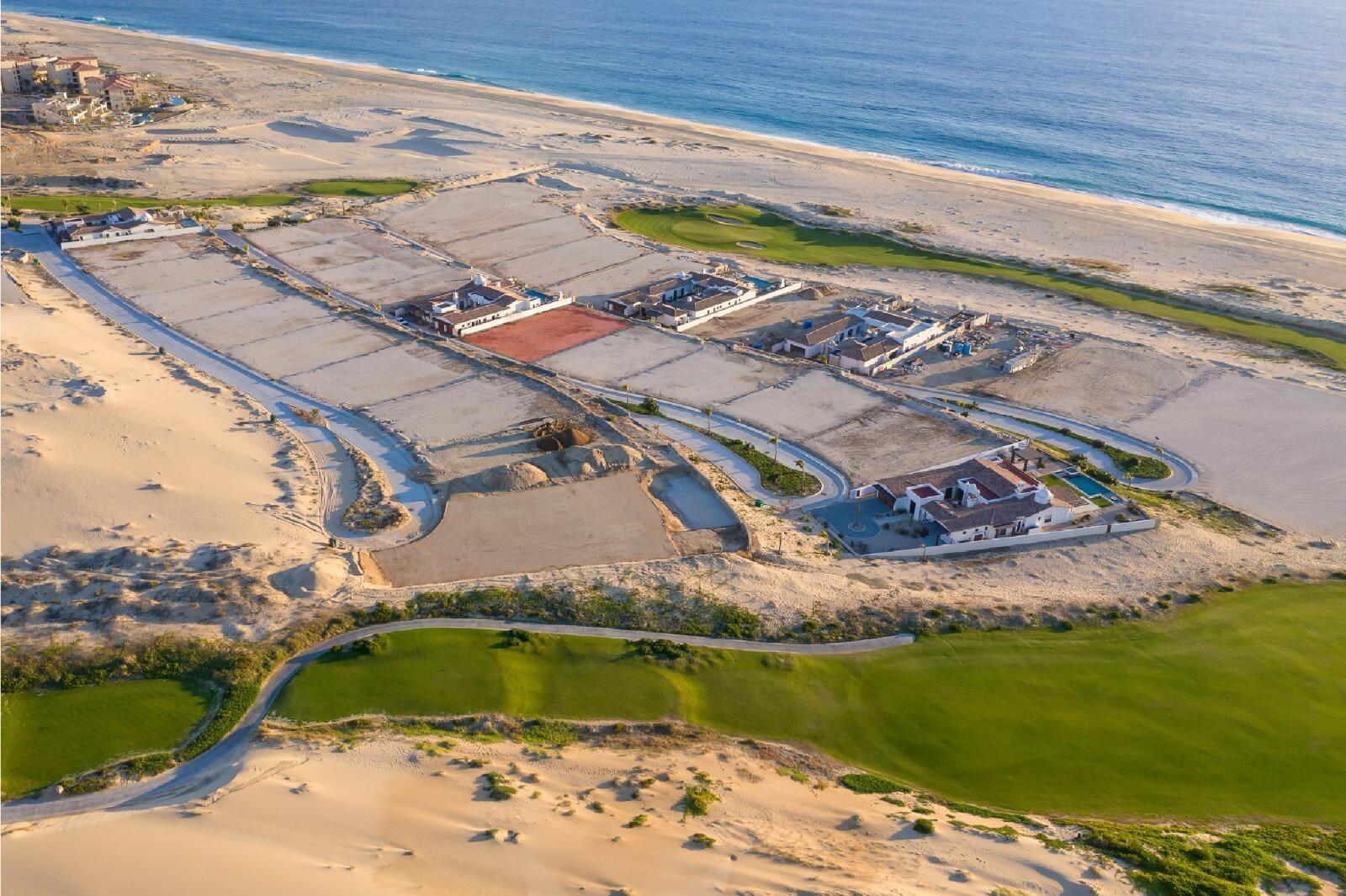
Rancho San Lucas has 1.2 miles of Pacific beachfront, and it is genuinely beautiful. It is also not safe for swimming. That is the single most important thing to understand before you buy here, and it is the thing brochures tend to skip.
Why the beach is not swimmable
This is open Pacific coastline, not a protected bay. Three things make it dangerous:
- Riptides – strong, frequent, and capable of pulling a confident swimmer out fast.
- Undertow – the backwash off a steep beach face takes your footing in shallow water.
- Rogue waves – larger sets arrive without warning and reach well up the sand.
There are no lifeguards. The Pacific side of Baja has a long record of drownings among visitors who underestimated it. Treat the warning signs as literal.
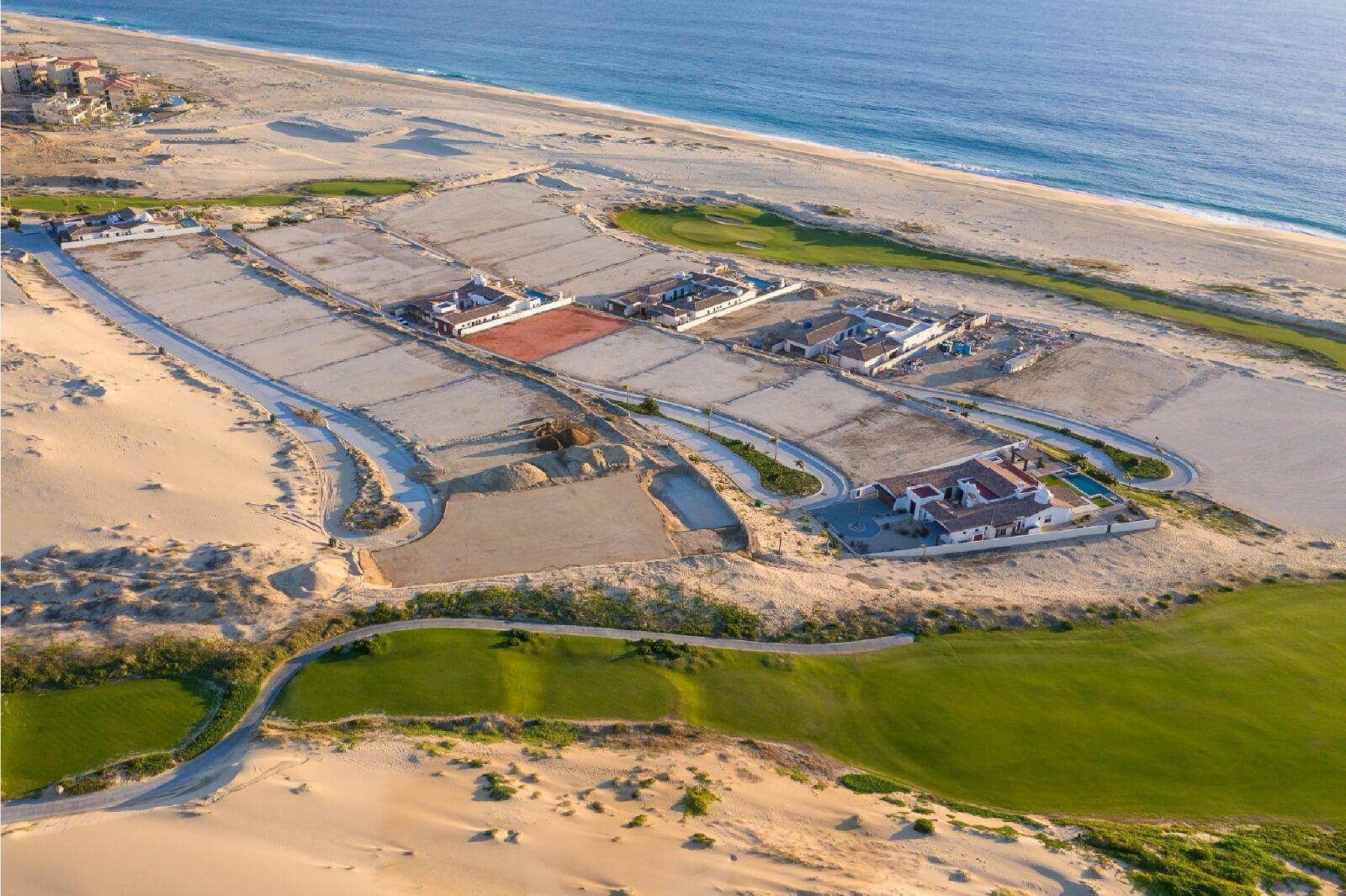
What the beach is excellent for
Plenty, once you stop thinking of it as a swimming beach:
- Walking and running – 1.2 miles of uninterrupted sand, and it is usually close to empty.
- Horseback riding – a genuinely memorable way to see the coastline.
- Sunsets – west-facing, every evening, and the reason the Pacific side commands what it does.
- Whale watching – grey and humpback whales pass close to shore from December through April. You can watch from your own terrace.
- Beach bonfires and events – the resort runs these, and they are a real amenity.
Where owners actually swim
Inside the community there are two answers. The Grand Solmar resort pools are extensive and are the everyday option. The large saltwater lagoon is the other – calm, safe, and suited to families with young children.
For ocean swimming, owners drive. The nearest genuinely swimmable options are twenty to forty minutes away on the Sea of Cortez side:
- Medano Beach – about twenty minutes, in Cabo San Lucas, calm and busy with beach clubs.
- Chileno Bay – about thirty minutes, a Blue Flag beach with good snorkelling.
- Santa Maria – about thirty-five to forty minutes, a protected cove and the best snorkelling of the three.
The Los Cabos Tourism Board maintains current information on beach conditions and Blue Flag certifications across the region.
How this affects buying decisions
None of this makes Rancho San Lucas a worse purchase – it makes it a different one. If your picture of Cabo ownership is walking off your terrace into calm water, the Sea of Cortez side is where you should be looking. If it is dramatic open ocean, big sunsets, whales from the deck and a serious golf course, the Pacific side delivers something the corridor cannot.
Buyers who understand this before they purchase are happy. Buyers who discover it afterwards are not.
Frequently asked questions
Can children play on the beach?
On the sand, with supervision, yes. In the water, no. Use the lagoon and pools – see the family page.
Is the beach private?
Mexican beaches are federal and public to the high-tide line. Access through Rancho San Lucas is controlled by the gate, so in practice the stretch is quiet.
When is whale season?
December through April, with January to March the peak. They pass close enough to see from shore regularly.
Reading the ocean here
A few things are worth knowing even if you never intend to swim.
Swell is seasonal. Summer brings southern hemisphere swell and the biggest surf. Winter is generally calmer but never safe. Shore break is steep. The beach face drops quickly, which is what creates the undertow – it is dangerous in water that looks shallow. Conditions change fast. A calm-looking hour can turn within minutes as a set arrives.
Local advice is consistent and worth taking literally: enjoy the beach, stay out of the water.
Sunsets, and why they price into property
West-facing Pacific coastline means every evening ends with the sun going into the ocean rather than behind a hill. It sounds like a small thing and it is a genuine driver of value here – front-row and west-facing terraces command a premium precisely because of it.
If you are comparing lots or units, visit at sunset rather than at midday. It is the hour the property will be used most.
Whale watching from the community
Grey and humpback whales migrate past this coastline from December through April, with January to March the peak. They pass close enough to shore that owners regularly watch from their own terraces without a boat.
Boat-based whale watching operates out of Cabo San Lucas marina if you want a closer look, and the Los Cabos Tourism Board lists licensed operators. Choosing a licensed operator matters – there are regulations on approach distances that responsible operators observe.
More on what the community offers day to day is on the amenities and activities page.
Read more
Our beaches and pools page goes deeper, and the amenities and activities page covers what else there is to do. Questions about a specific property’s beach access or proximity? Ask me.