A Rancho San Lucas home runs on four utilities: electricity from CFE, the state power company; water from the municipal system, stored on site in a cistern and rooftop tank; propane (gas LP) delivered by truck; and internet by fibre, fixed wireless or satellite. None is complicated, but each works differently from the US or Canada, and the electricity tariff in particular can surprise owners who run air-conditioning and pool pumps. Here is how each one works and what to ask before you buy.
Key facts
- Electricity: CFE is the only residential supplier; bills arrive every two months and heavy users can be moved to the unsubsidised DAC tariff
- Water: municipal supply (OOMSAPAS Los Cabos) is stored in a cistern (aljibe) and pumped to a rooftop tank; delivery trucks (pipas) fill gaps
- Gas: propane in a stationary tank, refilled by local distributors on request
- Internet: options vary by street; satellite internet is sold across Mexico and is a common backup
- Ask before you buy: 12 months of CFE bills, who supplies water and how it is billed, and the internet speed at the house
How does electricity work in a Cabo home?
Electricity for homes in Mexico comes from the Comisión Federal de Electricidad (CFE). Each property has a service number (número de servicio) printed on the bill, and residential bills normally cover two months. CFE prices residential power in tiers that are subsidised up to a consumption limit, and the subsidy is more generous in hot regions during the summer months.
The figure that matters is the DAC tariff (Doméstica de Alto Consumo). If a home’s average consumption over the previous 12 months goes above the limit for its region, CFE moves the account to DAC, which is not subsidised and costs several times more per kilowatt-hour. The account only returns to the normal tariff after consumption stays below the limit for long enough to bring the 12-month average down. Large homes with air-conditioning, pool and spa heaters and several refrigerators often end up on DAC, so a seller’s bills tell you a lot about the true running cost.
Do solar panels make sense?
For many owners, yes. CFE allows grid-connected solar systems under an interconnection contract, so the meter runs both ways and surplus daytime power offsets night-time use on the bill. Solar is one of the most common ways owners keep a large home off the DAC tariff. If a home already has panels, ask for the interconnection contract, the installer’s warranty and a recent bill showing the credit.
Where does the water come from?
Los Cabos is a desert, and the municipal water operator, OOMSAPAS, has been expanding supply for years, including a second desalination plant in Cabo San Lucas designed to produce 250 litres per second. Local press reported the plant 60% complete in late 2025, behind its original schedule. Until supply catches up with growth, homes across Los Cabos are built to store water rather than rely on constant mains pressure.
The usual set-up is a cistern (aljibe) under or beside the house that fills from the mains, a pump that lifts water to a tank (tinaco) on the roof or a pressure system, and filters for drinking water. When mains supply is interrupted, owners or caretakers order a delivery truck (pipa) to refill the cistern. Inside a planned community, water may be supplied or managed through the developer or HOA, so ask who supplies the home, how it is metered and billed, and how often the cistern has needed a truck delivery in the past year.
How is gas supplied?
There is no piped natural gas in most of Los Cabos. Homes use LP gas (propane) stored in a stationary tank (tanque estacionario), usually on the roof or beside the house, which feeds the stove, water heater and sometimes the pool heater and fire features. You call a local distributor to refill it and pay per litre on delivery. A gauge on the tank shows the level as a percentage; a caretaker can check it before guests arrive. Ask the seller for the size and age of the tank and the date of its last inspection.
What are the internet and phone options?
Service varies street by street, so check the specific home rather than the community in general. Options in the area include fibre or cable where a provider has built out, fixed wireless, and satellite internet, which is now sold across Mexico and is widely used as a primary or backup connection by remote workers. Mobile coverage from the main Mexican carriers is generally good along the highway corridor, but signal inside a concrete house can be weak, so many homes add Wi-Fi calling or a booster. If you plan to work from the house, ask the seller to run a speed test in the rooms you would use, and keep a second connection for video calls.
Our guide to getting here and daily logistics covers mobile service, shopping runs and the drive to town.
How do owners pay utility bills from abroad?
Most owners do one of three things: pay CFE and other bills online with the service or account number, set up automatic payment from a Mexican bank account, or have their property manager pay them and include the cost in a monthly statement. Whichever you choose, keep the bills in the name that matches your title or trust where possible, and keep copies: a recent CFE bill is the standard proof of address in Mexico, and you will need one for bank accounts, residency applications and many other paperwork tasks.
What should you ask before you buy?
- The last 12 months of CFE bills, and whether the account is on the DAC tariff.
- Whether there are solar panels, and the interconnection contract if so.
- Who supplies water, how it is billed, the cistern and tank sizes, and how often trucks were needed.
- The size, age and inspection date of the propane tank.
- The internet provider, plan and real speed at the house.
- What the HOA dues include, such as common-area water, trash collection and security. Our guide to HOA dues and ownership costs sets out the full carrying cost.
Frequently asked questions
Who supplies electricity in Cabo San Lucas?
Residential electricity in Mexico is supplied by CFE, the Comisión Federal de Electricidad. Bills normally cover two months and can be paid online with the service number.
What is the DAC tariff?
DAC (Doméstica de Alto Consumo) is CFE’s unsubsidised tariff for high-consumption homes. An account moves to DAC when its 12-month average use passes the limit for its region, and it costs several times more per kilowatt-hour than the subsidised tariff.
Is there reliable water at Rancho San Lucas?
Homes in Los Cabos store water in a cistern and rooftop tank, which smooths out interruptions in the municipal supply. Ask the seller and HOA who supplies the home and how often a delivery truck has been needed.
Can I get good internet at Rancho San Lucas?
It depends on the home. Options include fibre or fixed wireless where available and satellite internet, which is sold across Mexico. Ask for a speed test at the house before you buy.
How do I pay Mexican utility bills from the US or Canada?
Pay online with the account or service number, set up automatic payment from a Mexican bank account, or have your property manager pay the bills and invoice you.
Summary
Utilities at Rancho San Lucas are straightforward once you know the local set-up: CFE electricity with a tariff that rewards modest use, stored water from the municipal system, propane by delivery and internet that varies by home. The single most useful document is a year of CFE bills, which tells you whether the home is on the expensive DAC tariff and what it really costs to run.
Talk to us
For the full sold history behind any figure in this article, a list of what is for sale today, or a pricing review of your own home, contact the Rancho San Lucas team, email [email protected] or WhatsApp +52 624 147 1728.
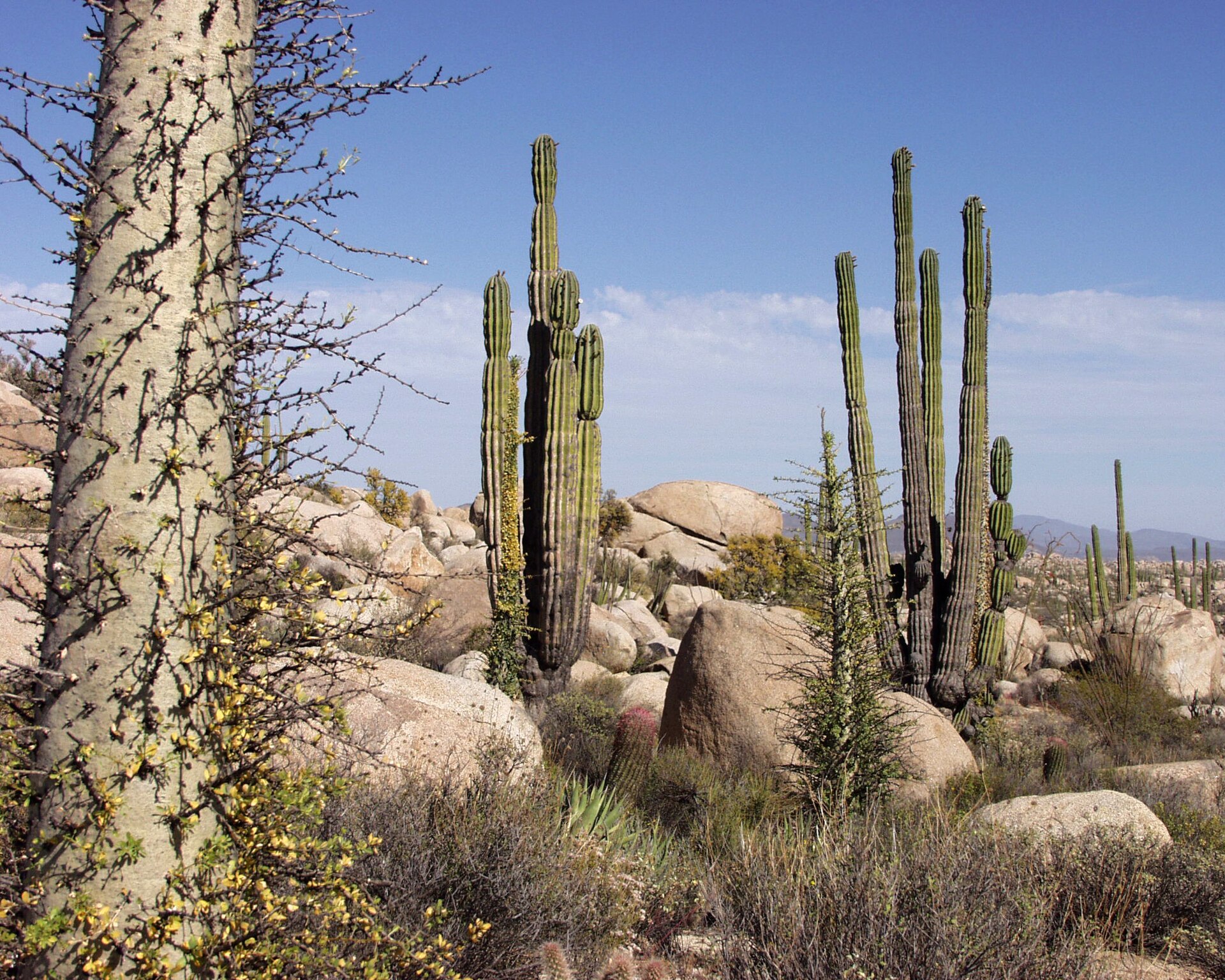
Featured photo: Desert landscape of Baja California Sur with cardon cacti. Photo: Tomas Castelazo / Wikimedia Commons, CC BY-SA 2.5 (source).