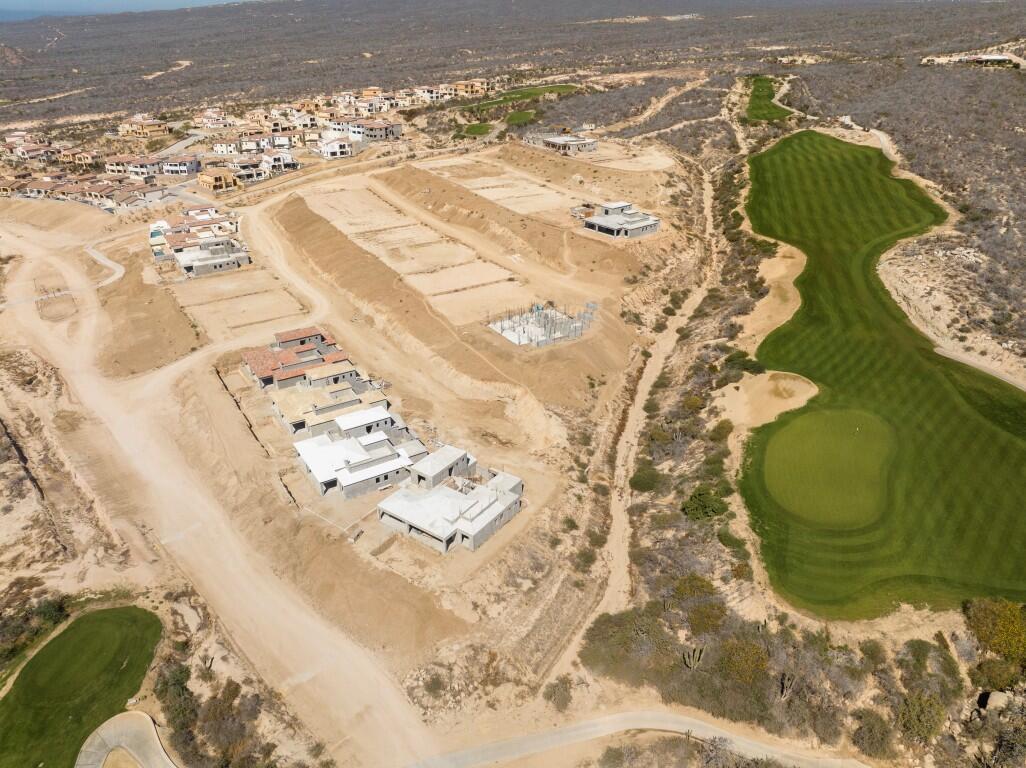
Selling at Rancho San Lucas is a different exercise from selling in North America. The buyer pool is smaller and further away, the tax is withheld at closing by the notario, and the marketing that works is not the marketing that works at home.
Who your buyer is
Almost certainly a foreign national, most likely from the US or Canada, buying a second home or an investment rather than somewhere to live full time. They are researching online months before they visit, comparing you against Diamante and Quivira as much as against your neighbours, and they will probably see the property twice at most before deciding.
That shapes everything. Your listing has to do the work that a walkthrough does at home.

Pricing in a thin market
Twelve active listings community-wide is not a deep comparable set. Pricing off one recent sale is risky, and pricing off asking prices rather than closed prices is riskier still.
What actually matters here: your row position relative to the Pacific, whether you have golf frontage, whether the property is finished or land, and how long comparable properties have sat. Overpricing in a thin market is expensive – there are not enough buyers cycling through for the market to correct you quickly, so a property that starts high tends to sit and go stale.
Capital gains tax
This is the part sellers most often plan for too late. Mexican capital gains tax on the sale is calculated and withheld by the notario at closing – you do not receive gross proceeds and settle later.
Exemptions and deductions exist, but they depend on documentation you needed to have been collecting all along: facturas for improvements, proof of residency status, the original acquisition value recorded on your deed. Improvements paid in cash without a proper factura generally cannot be deducted.
Talk to your notario and a Mexican tax advisor before you list, not after you accept an offer. SAT sets the framework, and your home country will want to know about the sale too.
What actually sells property here
- Photography and aerials. Buyers are evaluating position – where you sit relative to the ocean and the course. Drone work is not a luxury here, it is how you communicate the thing that drives price.
- Accurate data. Lot size, interior area, HOA dues, what is included. Vague listings get skipped.
- MLS plus community-specific reach. The Los Cabos MLS matters, and so does being visible to people searching specifically for Rancho San Lucas.
- Documentation ready. Deed, trust, dues statements, no-lien certificate. A seller who can move fast when a buyer is in town closes; one who cannot loses the buyer to their next flight home.
Timing
Buyer traffic follows the season. November through April is when people are in town looking, which means listing ahead of high season rather than during it gives you the strongest run. Summer is quiet, and a listing that launches in August often just accumulates days on market.
Preparing the property
The coastal environment is unforgiving and buyers notice. Address salt corrosion on fixtures and hardware, refresh exterior finishes, service the air conditioning, and deal with any pool equipment issues. Furnished sales are common, so make the inventory list explicit in the listing rather than negotiating it later.
Frequently asked questions
What does it cost to sell?
The real estate commission and the capital gains withholding, both on the seller. The buyer carries acquisition tax, notario fees and the fideicomiso set-up – see closing costs.
How long does a sale take?
Sixty to ninety days from accepted offer to closing is typical, largely driven by the buyer’s trust permit if they are a new foreign owner.
Can I sell while it is rented?
Yes, though showing access needs managing around bookings. Discuss it with your manager before listing.
Preparing the paperwork before you list
The sellers who close smoothly are the ones who assembled their file before a buyer appeared. Get these together early:
- The deed and the fideicomiso trust document
- Current HOA dues statement showing you are up to date
- Predial receipts for recent years
- Utility accounts showing no arrears
- Facturas for every capital improvement – these reduce your capital gains
- Furnishing inventory, if selling furnished
- Any rental history, if the buyer may continue operating it
A buyer who visits for three days and likes your property will move on to something else if you cannot respond quickly. Preparation is leverage.
Presenting a property to a remote buyer
Most of your buyers will form an opinion before they ever see it. That means photography, aerials that show position relative to the ocean and the course, an accurate floor plan, and honest data.
Resist the temptation to over-edit. Buyers who arrive and find the property does not match the photographs do not buy, and word travels in a community this size.
Setting expectations on timing
In a market with a handful of active listings and a buyer pool that mostly visits between November and April, a realistic sale can take months rather than weeks. Price it correctly at launch, because the first three weeks generate the most attention and a stale listing is hard to revive.
Plan your own onward timing around a sixty to ninety day close after acceptance, largely driven by the buyer’s trust permit. Our fideicomiso guide explains that step from the buyer’s side, and SAT sets the tax framework your notario will apply at closing.
Where your buyer is looking
A Rancho San Lucas buyer is usually searching in three places at once: the Los Cabos MLS, community-specific sites like this one, and the big international portals. Being on all three matters, but they are not equally valuable.
The MLS reaches every agent with a buyer. Community-specific search reaches the buyer who has already decided on Rancho San Lucas and is simply waiting for the right property – which is the most qualified traffic there is. See our selling page for how that works in practice.
Deciding whether to sell furnished
Furnished sales are common in Los Cabos, and for a second home or a rental unit they usually make sense. A buyer who intends to rent wants to start immediately, and replacing an entire interior from abroad is a genuine deterrent.
If you sell furnished, itemise. An inventory annexed to the offer prevents arguments at handover about which pieces were included, and it lets you carve out anything personal before the buyer assumes it is theirs.
What happens on closing day
Signing takes place before the notario, who verifies identity and title, confirms the tax calculation, and formalises the deed. Funds are released through escrow, the capital gains withholding is retained, and the deed goes for registration.
You do not need to be physically present if you grant a power of attorney through a Mexican consulate, though most sellers attend or appoint someone they trust. Our buying guide describes the same process from the other side, and closing costs sets out who pays what. For the wider market picture, Mexico’s INEGI publishes regional housing data.
Get a proper valuation
Our selling page explains how I work. Get in touch for a realistic valuation based on closed sales rather than asking prices – and a clear view of your net after tax before you commit to selling.
General information only, not tax or legal advice.