A home inspection is not a standard, regulated step in a Mexican property purchase the way it is in the US or Canada, so in Los Cabos it only happens if the buyer asks for it. At Rancho San Lucas, where most homes are resales of villas built in the last decade on an exposed Pacific site, it is one of the best-value steps you can take. This guide explains how to arrange one, what a good inspector should check in a Baja coastal home, and how to use the report.
Key facts
- Is it required? No. Mexican law does not require a home inspection, and inspectors are not licensed as a separate profession
- Who does it: independent inspectors, usually architects or engineers, many of them bilingual
- When: after your offer is accepted and before the deposit becomes non-refundable, under an inspection condition in the agreement
- Coastal priorities: salt-air corrosion, roof waterproofing, humidity, the water system, air-conditioning and termites
- Separate from legal checks: title, liens, permits and tax and HOA balances are verified by your notary and attorney
Do you need a home inspection to buy in Mexico?
You do not. The notary who closes a Mexican purchase verifies the legal side: that the seller owns the property, that there are no liens and that taxes are paid. Nobody checks the physical condition of the house unless you arrange it. Sellers in Los Cabos generally sell as is, and once the sale closes there is little practical recourse for defects you could have found. That is why buyers who are used to inspections at home should insist on one here.
When should the inspection happen?
Make the purchase conditional on a satisfactory inspection. The usual way is to write an inspection period, for example 10 to 15 days, into the offer or promissory agreement, during which the buyer can inspect, ask for repairs or a price adjustment, or withdraw and recover the deposit. Book the inspector as soon as the offer is accepted; good inspectors in Los Cabos are busy in the winter season, and you will want time to get quotes on anything the report finds. Our guide to buying in Rancho San Lucas walks through the whole sequence from offer to closing.
What should an inspector check in a Rancho San Lucas home?
A coastal desert home ages differently from a home in a northern climate. Make sure the inspection covers these points specifically:
Structure and salt air
Look for cracks in walls and slabs, rust stains or spalling concrete where reinforcing steel may be corroding, and the condition of railings, light fittings and any exposed metal. Salt air on the Pacific side is aggressive, and the early signs are cheap to fix and expensive to ignore.
Roofs and waterproofing
Most homes have flat concrete roofs sealed with a waterproofing membrane (impermeabilizante) that needs renewing every few years. Ask when it was last done, check roof drains and look for damp patches on ceilings below. Our hurricane season guide explains why drainage and protected openings matter so much here.
Humidity and leaks
A moisture meter will find hidden leaks around windows, showers and terraces, and in walls against the ground. Musty smells and peeling paint in a house that has been closed for the summer are worth investigating.
Water, plumbing and the pressure system
Check the cistern (aljibe), rooftop tank, pumps, pressure tank and filters, as well as hot-water heaters and the pool equipment. Our utilities guide explains how water is stored and supplied here.
Electrical and air-conditioning
The inspector should open the main panel, check grounding and look at the condition of every air-conditioning unit; outdoor condensers corrode quickly by the sea and are a common replacement cost. Ask the seller for a year of electricity bills as well.
Gas, termites and windows
Check the propane tank and lines, look for signs of drywood termites in doors, cabinets and wooden ceilings, and confirm that windows, sliding doors and shutters close and lock properly.
What does the inspection not cover?
A physical inspection does not replace legal due diligence. Your notary and attorney should confirm the title and that there are no liens, check that property tax (predial), water and HOA fees are paid up to date, and confirm the home was built with a construction licence and has its completion paperwork. For foreign buyers the purchase also needs a bank trust (fideicomiso) with a permit from Mexico’s Ministry of Foreign Affairs (SRE); see our fideicomiso guide and our breakdown of closing costs.
How do you use the report?
A good report sorts findings into safety issues, items that need repair soon and normal maintenance. Use it in three ways:
- Negotiate: ask the seller to fix specific items before closing, or to reduce the price by the cost of the work, supported by contractor quotes.
- Plan: treat the maintenance list as your first-year budget, especially roof waterproofing and air-conditioning.
- Walk away if needed: structural or water-damage problems that cannot be priced with confidence are a good reason to use your inspection condition.
Remember that homes in Rancho San Lucas sell slowly and usually below asking. Our review of the last 12 months of sales shows the gap between asking and sold prices, which gives buyers room to negotiate repairs.
How do you choose an inspector?
- Ask for a sample report; it should include photos, clear priorities and plain language in English if that is what you need.
- Check that the inspector has architectural or engineering training and experience with coastal homes in Los Cabos.
- Confirm what is included: roof access, a moisture meter, thermal imaging, testing of the pool and air-conditioning, and a separate termite inspection if needed.
- Choose someone independent of the seller and the listing agent; your own agent can suggest several names.
- Attend the inspection, or ask for a video walk-through if you are abroad.
Frequently asked questions
Is a home inspection required when buying property in Mexico?
No. Mexican law does not require one, and the notary only verifies the legal side of the sale. Buyers who want an inspection must arrange it and should make the purchase conditional on it.
Who does home inspections in Los Cabos?
Independent inspectors, usually architects or engineers. Home inspection is not a separately licensed profession in Mexico, so check training, experience with coastal homes and a sample report.
How long does a home inspection take?
The inspection itself usually takes a few hours to a day depending on the size of the home, and the written report follows within a few days. Allow time in your inspection period for contractor quotes.
What problems are common in Cabo homes?
Salt-air corrosion of metal and air-conditioning units, worn roof waterproofing, hidden leaks and humidity, issues with water pumps and pressure systems, and termites in wood.
Can I back out of a purchase after the inspection?
Only if your offer or promissory agreement includes an inspection condition. With one, you can usually withdraw within the inspection period and recover your deposit.
Summary
In Mexico the buyer decides whether a home is inspected. At Rancho San Lucas, with salt air, flat roofs and complex water and cooling systems, an independent inspection under a clear inspection condition is inexpensive protection, and the report doubles as a negotiation tool and a first-year maintenance plan.
Talk to us
For the full sold history behind any figure in this article, a list of what is for sale today, or a pricing review of your own home, contact the Rancho San Lucas team, email [email protected] or WhatsApp +52 624 147 1728.
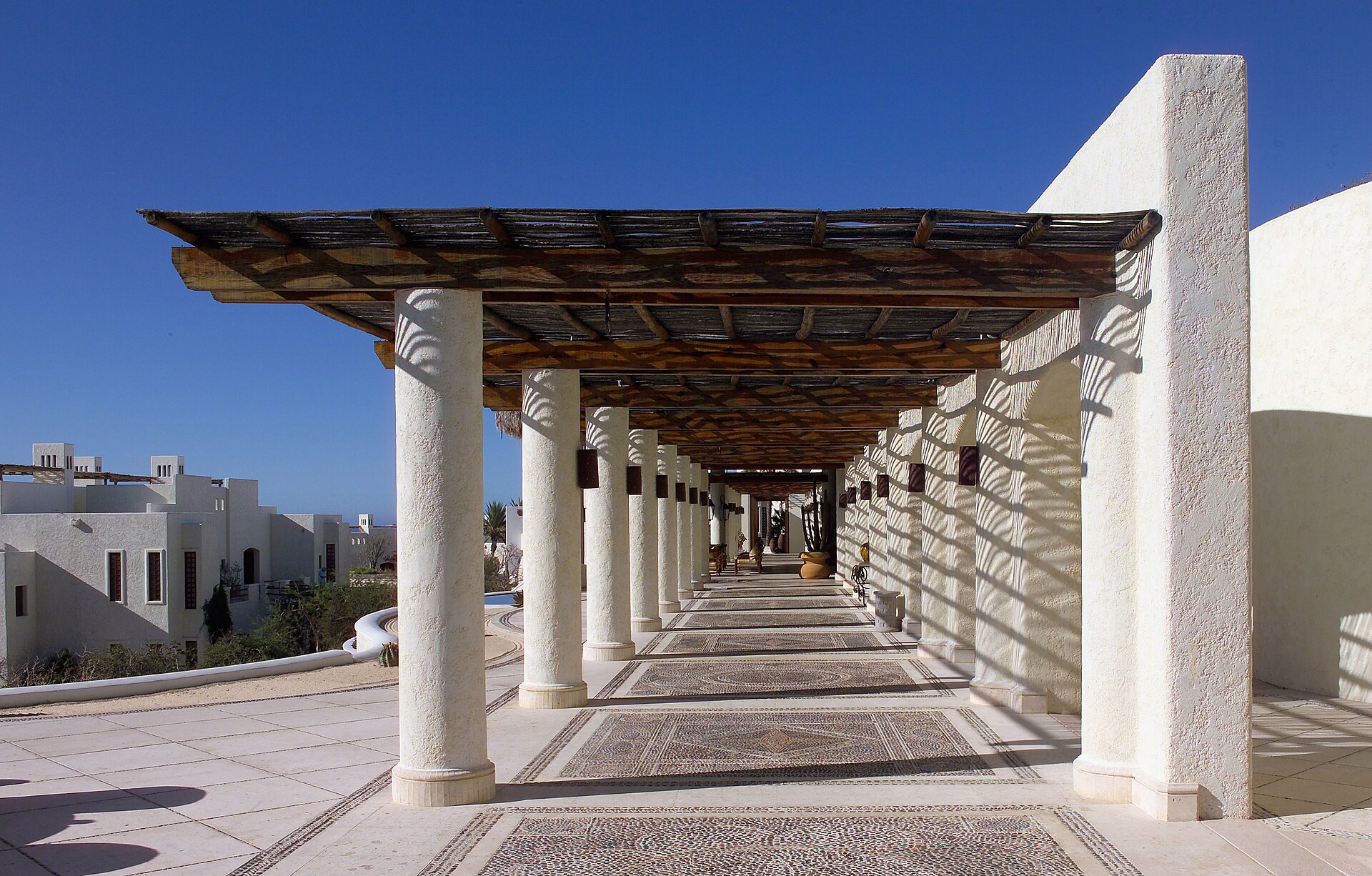
Featured photo: Covered outdoor walkway with stone columns in Cabo San Lucas. Photo: Godot13 / Wikimedia Commons, CC BY-SA 3.0 (source).